The Washing Machine Failure: 1,400 Square Feet, Six Hours
Back to that 3 a.m. call. When our crew arrived, the homeowner had already shut the supply valve, which saved her thousands. Even so, we measured 1,400 square feet of affected flooring across three rooms and a finished basement ceiling that was actively dripping. We deployed two truck-mounted extractors and three portable units. The first pass pulled roughly 180 gallons in the first hour. Our IICRC-trained lead used a moisture meter to map the wet perimeter, marking it in painter's tape so nothing got missed. By 9 a.m. we had pulled standing water from every hard surface, lifted the carpet pad in the dining room (a total loss), and set 14 air movers plus two LGR dehumidifiers. Final extraction invoice on that job came in at $2,340, with full drying and reset bringing the project to $6,800. Insurance covered everything but her $1,000 deductible.
What she told us afterward stuck with the crew. She said the worst part was not the water itself but the not knowing: not knowing if her hardwood would warp, not knowing if her insurance would push back, not knowing if mold would show up six months later. We gave her a written drying log with daily moisture readings on every affected material, which her adjuster accepted without a single follow-up question. That documentation is part of why Stonewater Water Restoration keeps detailed records on every job, even the small ones.
The Sump Pump That Quit During the April Storm
A homeowner on the south side of Stonewater called us during the heavy rains we get most Aprils. His sump pump had burned out at some point during a 3-inch overnight rainfall, and he discovered four inches of water across his finished basement that morning. This one was Category 1 water at first, but it had been sitting long enough that we treated the carpet pad as Category 2 by the time we got there. We rolled in with a high-capacity submersible pump and pulled standing water at roughly 60 gallons per minute for the first 25 minutes, then switched to truck-mount extraction for the saturated carpet. If you are dealing with something similar, our basement flooding service page walks through the full process, and the companion piece on flooded basement cleanup and drying costs covers what to expect on price. His total came in at $4,200, mostly because we caught it inside 12 hours.
What Standing Water Extraction Actually Involves
People sometimes ask why extraction costs what it costs. Here is what actually happens on a typical Stonewater job:
- Initial assessment and IICRC category determination (clean, gray, or black water)
- Truck-mount or submersible pump deployment based on water volume
- Moisture mapping with infrared cameras and pin meters
- Removal of unsalvageable materials (pad, swollen MDF, contaminated drywall)
- Antimicrobial application for Category 2 or 3 situations
- Air mover and dehumidifier placement, then daily monitoring until dry
Average residential extraction in our service area runs $1,200 to $4,500 depending on square footage, water category, and how long the water sat. If sewage is involved, the numbers go up because the protocols change, and that work is detailed on our sewage cleanup page.
The Call We Turned Down
We promised honesty, so here is one we walked away from. A Stonewater homeowner called us about a small leak under a bathroom sink that had wet a 2-by-3-foot patch of vinyl flooring. We told him directly: you do not need us. Pull the vanity, dry it with a fan and a dehumidifier rental from the hardware store, and save yourself $800. He thanked us and did exactly that. If we cannot help, we will tell you. That is the standard.
The Commercial Call: A Dentist Office at 6 a.m.
A practice manager called us before her first patient arrived. A toilet supply line had let go overnight on the second floor and water had migrated through the ceiling into three operatories. We had to extract from carpet, protect dental equipment worth six figures, and get the space dry enough to see patients again within 48 hours. We ran 22 air movers and four dehumidifiers, monitored moisture readings every 12 hours, and had the practice operational on schedule. Commercial jobs run on different math than residential, and our commercial water restoration team handles these tight timelines regularly.
How Fast Response Time Changes Everything
One pattern we see across every story above is how dramatically the first six hours shape the final bill. A burst pipe extracted within two hours often dries in three days with minimal demolition. The same burst pipe ignored until the next morning frequently means pulling baseboards, cutting drywall two feet up the wall, and replacing flooring underlayment. We had two nearly identical refrigerator line failures last winter in similar Stonewater homes. The first owner shut the valve and called us at midnight. Final cost: $1,850. The second owner shut the valve, went back to bed, and called at 8 a.m. Final cost: $5,400. Same square footage, same materials, same crew. The only variable was time.
The Slow Leak Nobody Noticed
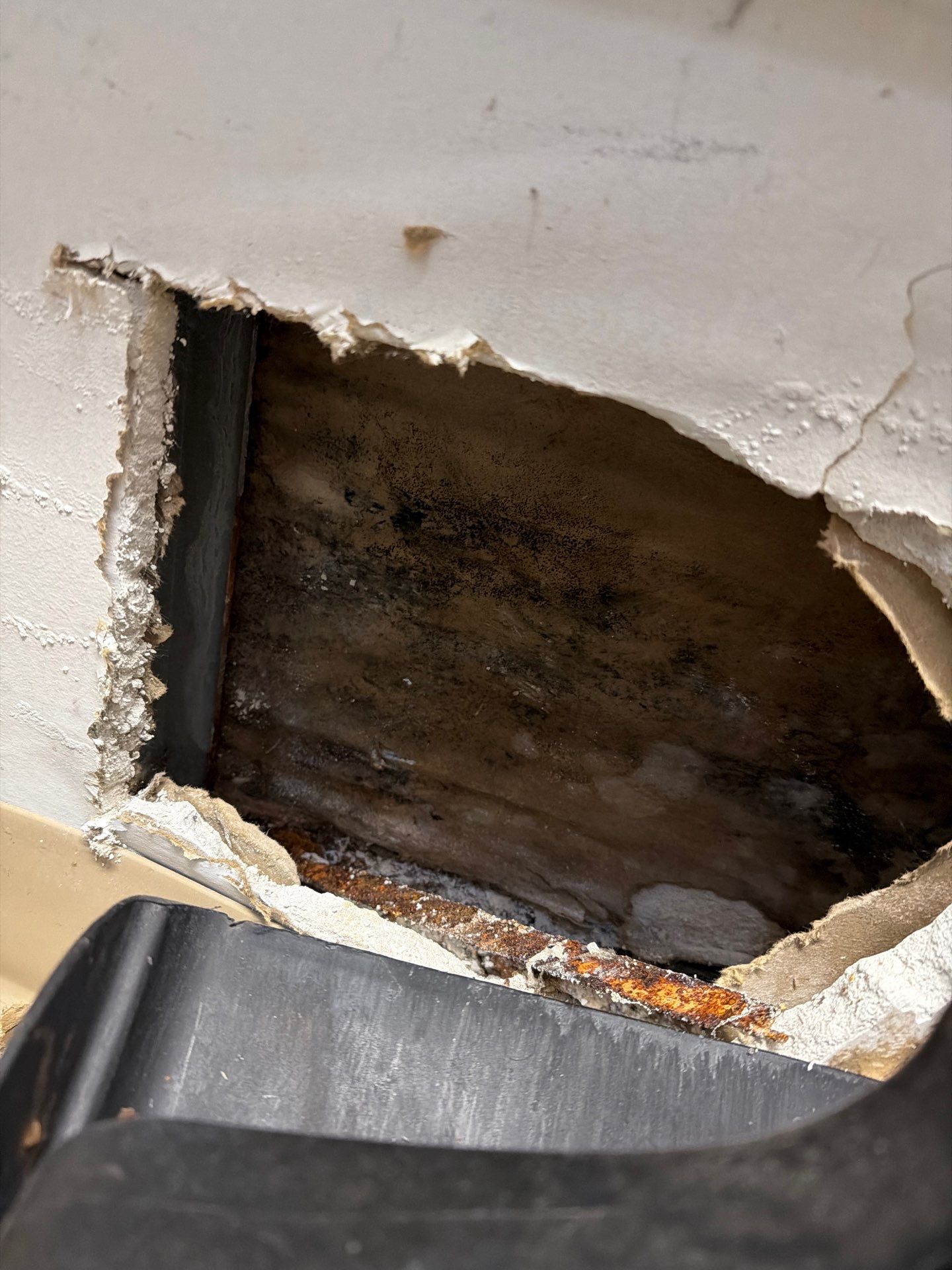
Not every extraction call is dramatic. One Stonewater family called us because their hardwood floor in the kitchen had started to cup. No visible water, no flood, just warped boards. We pulled the dishwasher and found a pinhole leak in the supply line that had been weeping for what we estimated was three to four months. The subfloor was saturated. Mold was already growing under the cabinets. This is the kind of job where extraction is less about pumping and more about controlled demolition: we removed a section of toe kick, drilled weep holes into the cabinet bases to vent trapped moisture, and ran injection drying mats under the hardwood for nine days. The lesson here, and we tell every customer this directly: if your floor is changing shape, water has been there longer than you think.
We see this scenario maybe twice a month in Stonewater. The homeowner usually feels embarrassed for not catching it sooner, but these leaks are designed to hide. Supply lines tuck behind appliances, traps run inside cabinet bases, and the first sign is almost always cosmetic damage that looks like a refinishing problem rather than a water problem. If you ever notice a musty smell near a sink or appliance, even faint, pull the unit out and look. Catching a slow leak at week two instead of week twelve is the difference between a $400 plumber visit and a $7,000 restoration.