The 2 a.m. Call That Saved a Finished Basement
One Stonewater homeowner called Stonewater Water Restoration at 2:14 a.m. on a Tuesday in February. She had gone downstairs for a glass of water and heard what she described as a soft waterfall behind the laundry room wall. Her 12 year old electric water heater had developed a pinhole leak at the lower element gasket, and roughly 30 gallons had already spread across the basement carpet pad. Our on call crew was on site in 47 minutes. Because she caught it inside the first hour, we extracted standing water, pulled the carpet back to dry the pad in place, and set six air movers plus a commercial dehumidifier. Total drying time was four days. Final invoice came in at $2,340, fully covered by her homeowners policy minus the $1,000 deductible. Had she waited until morning, we estimate the same job would have crossed $7,500 once the drywall, baseboards, and finished ceiling below required replacement.
When the Tank Lets Go Completely
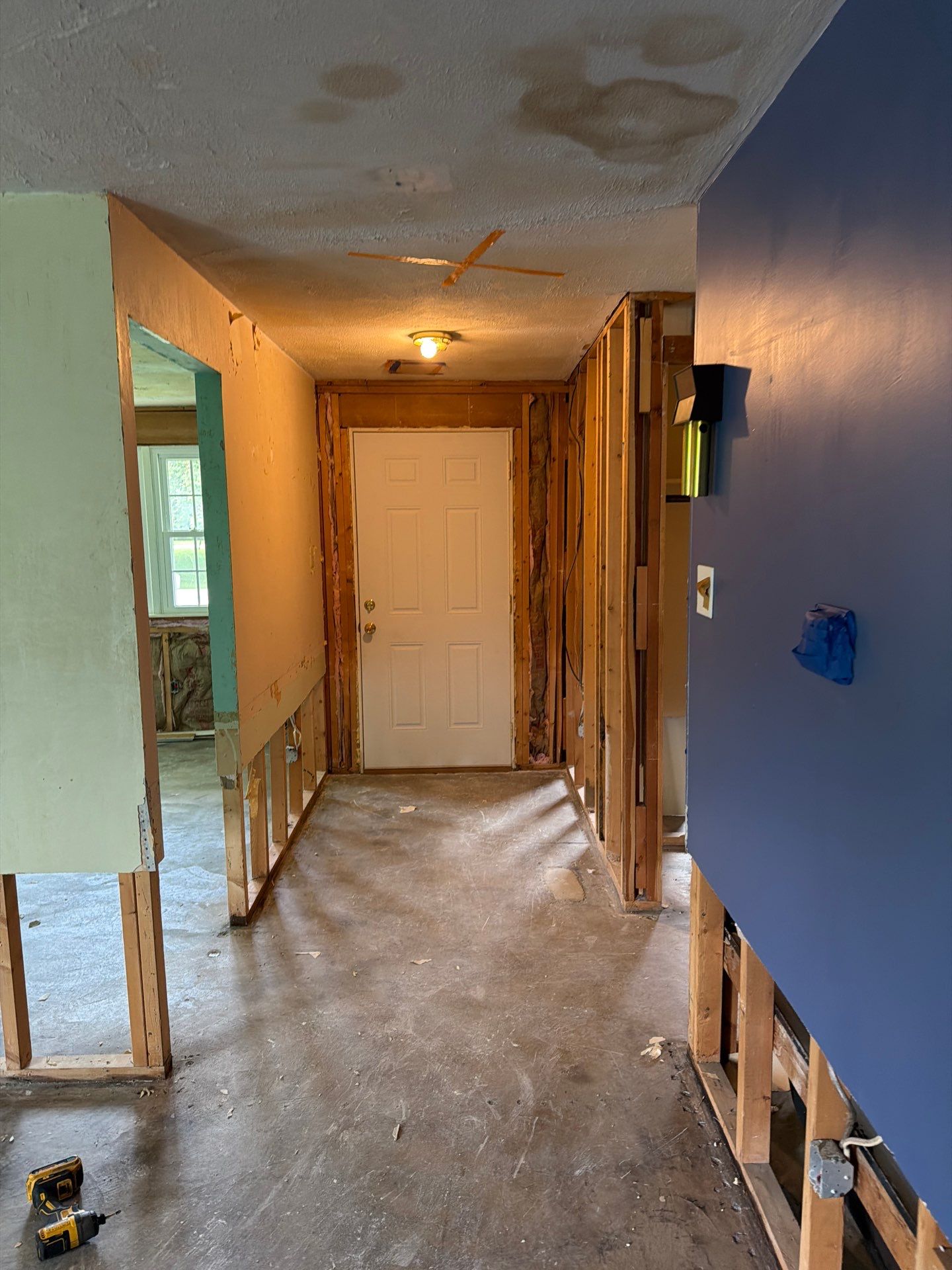
Not every story ends that cleanly. A retired couple in Stonewater returned from a weekend at their daughter's place to find their 75 gallon gas heater had ruptured along the bottom seam. The tank had emptied, the supply line had kept feeding, and by our best estimate around 400 gallons had cycled through the first floor before the line finally air locked. Hardwood floors had cupped and crowned. The kitchen island cabinets were swollen at the toe kicks. Insulation in the crawlspace below was hanging like wet bread. This was a Category 2 loss under IICRC S500 guidelines, meaning the water was clean at the source but had picked up contaminants as it traveled through building materials. Our scope included demolition of 340 square feet of flooring, removal of lower cabinetry, antimicrobial treatment of framing, and structural drying that ran 11 days. The claim settled at $34,800. The lesson the couple shared with their neighbors afterward was simple: shut the water off at the main valve before any trip longer than a weekend, and know where that valve is before you need it.
Why the Wrong Crew Costs You More
One Stonewater homeowner called us after another company had been on site for three days. The other crew had set fans but no dehumidification, never measured moisture content in the framing, and was billing daily equipment rental without progress. We took moisture readings on arrival, found wall cavities still at 28 percent moisture content (dry standard is under 16), pulled baseboards, drilled weep holes, and finished drying in four more days. The homeowner's insurance covered the legitimate work but disputed the previous company's invoice. If you are choosing a restoration partner, our breakdown of how to choose a water damage company near you covers the questions that separate certified professionals from opportunists.
The Slow Leak Nobody Saw
The most expensive water heater jobs we run in Stonewater are rarely the dramatic ones. They are the slow drips. A young family in a 1990s build called us because they smelled something musty near the pantry. The water heater sat in a closet sharing a wall with that pantry, and a slow weep from the T&P relief valve had been soaking the bottom plate of the wall for what we estimated was four to six months. Mold colonies had established behind the drywall, the bottom 18 inches of two studs had rotted, and the OSB subfloor under the pantry shelves was spongy. This job required a containment barrier, HEPA filtration, mold remediation under our IICRC protocols, and reconstruction. The total ran $11,600. For homeowners reading this in Stonewater, a damp ring around the base of the heater or a slight rust stain on the pan is not cosmetic. It is the early chapter of a story you do not want to finish. Our team has more detail on this in our guide to water damage restoration cost if you want to understand how slow leaks escalate financially.
What the First 60 Minutes Should Look Like
When a Stonewater homeowner reaches us mid leak, we walk them through the same short sequence before our truck arrives:
- Shut off the cold water supply valve on top of the heater, or the main if you cannot reach it
- Kill power at the breaker for electric units, or turn the gas dial to pilot for gas units
- Move anything off the wet floor that can be lifted in one trip
- Take photos of the tank, the surrounding damage, and any visible serial numbers for your claim
- Do not run fans from a hardware store on Category 2 or 3 water, you will only spread contamination
That last point matters. We see well meaning homeowners turn a $3,000 cleanup into a $15,000 remediation because they pushed contaminated moisture into wall cavities with box fans. If the water has been sitting more than 24 hours or has touched insulation, treat it as a job for certified equipment.
Cost Ranges Stonewater Homeowners Should Expect
Across our Stonewater service area, water heater leak cleanup typically lands in three tiers. A caught early, contained leak with minor extraction and three to four days of drying runs $1,500 to $3,500. A moderate loss involving flooring removal, drywall cuts, and a week of structural drying runs $4,000 to $9,000. A full tank failure with multi room damage, cabinetry impact, or mold complications can run $12,000 to $40,000 or more. Most homeowners policies cover sudden and accidental water heater failures, though gradual leaks are commonly excluded. We help document the loss either way, and our standing relationships with adjusters across Stonewater mean claims tend to move faster when we are involved from day one. For the full picture on emergency response timing, our 24 hour water damage restoration page lays out exactly what happens after you call.