Commercial Storm Damage in Stonewater, IN
Stonewater Water Restoration dries storm water out of Stonewater storefronts and loading docks while the doors stay open for business.
Searching for Commercial Storm Damage near Stonewater? Stonewater Water Restoration dispatches 24/7, documents everything, and works with your insurance carrier from first call to final walkthrough. Call (317) 342-7736.
- Service: Commercial Storm Damage for Stonewater homeowners
- Service area: Stonewater, IN and surrounding areas
- Response time: Rapid emergency dispatch for Stonewater inquiries; crews available 24/7
- Licensed and insured (License #RC21100059)
- Serving Stonewater, IN since 2018
Commercial Storm Damage for Stonewater Businesses
After a storm, the first question from an operations manager is what's sitting on the wet floor. Cardboard cartons wick water upward through their bottom layer, and electronics suffer from a thin film of it, so the order of moving things matters. Stonewater Water Restoration works with your staff to lift stock and equipment clear at your Stonewater property before extraction begins.
An occupied building can keep running through a storm loss when the containment is built at the right line. Stonewater Water Restoration sets barriers at a demountable partition or a corridor wall, so one wet bay doesn't close a whole floor in your Stonewater building. Negative air with HEPA filtration runs where materials are coming out, and egress paths stay clear.
At your Stonewater storefront, the entry floor holds the most water, so the crew starts there. The water gets pulled off the tile or carpet, and a meter checks the threshold and the base of the door frames. Carpet tile that took on clean water can often be dried and reused, and the adhesive underneath gets checked before anything goes back down.
Commercial policies can carry separate terms and limits for wind or storm damage, so read your forms or ask your broker before you plan around a number. Stonewater Water Restoration keeps the mitigation scope tied to what the meters found, and equipment comes out the day the readings justify it. The coverage decisions stay with you, your broker and your carrier.
Stopping the water early keeps the reconstruction smaller. Call Stonewater Water Restoration for commercial storm intrusion in Stonewater, IN and a crew dispatches day or night with materials to close the breach and equipment to dry what's already wet. The documentation is built for your carrier.
Signs You Need Commercial Storm Damage Restoration
If you notice any of these in your Stonewater building, schedule a free inspection before the issue worsens.
Brown water stains on the ceiling around a rooftop unit's duct drop after each rain
Corrosion on a fire sprinkler line or head where the pipe runs close to the roof deck
Ceiling tiles sagging, stained brown at the center, or crumbling along the grid in one area of a floor
Interior glazing sealant that's cracked, pulled loose, or missing along a run of joints
Vinyl tile or glue down carpet lifting at the seams out in the middle of a floor plate
Water beading on the inside of curtain wall mullions or collecting on the sill
Insulation batts above the ceiling grid that are compressed, matted, or dripping at the edges
Metal door frames rusting at the base, with the gypsum board around them swelling
Water tracking under the seals of overhead dock doors and pooling in the leveler pit
Mechanical room floor drains that fill during heavy rain and empty slowly afterward
How Stonewater Water Restoration Handles Commercial Storm Damage
We follow these steps in order on every Stonewater job.
Emergency Roof Dry in
The membrane breach or failed detail gets covered with a temporary dry in built to hold through the next rain. Photos go in the file before and after. The permanent repair stays on the work order until a roofing scope takes it over.
Occupied Space Planning
Suites and corridors that must stay in service get marked on the plan before any equipment is staged, along with where the barriers go. The loud work is scheduled for hours when the space is empty.
Containment and Air Control
Barriers go up at a corridor wall or partition line so one wet bay doesn't shut a whole floor. Negative air machines with HEPA filtration run where materials are coming out, and the crew keeps equipment clear of egress paths.
Structural Drying Setup
Dehumidification is sized to affected cubic footage, desiccant for open floor plates and refrigerant units for enclosed suites. Air movers go in at calculated angles. The crew checks available amperage and brings distribution or generator power when building panels can't carry the load.
Ceiling and Finish Rebuild
Grid gets releveled, new lay in tile goes in, and insulation is replaced to the assembly's original value. Painted surfaces get primed and finished to a line that reads as original, and flooring goes back once slab readings allow it.
Commercial Storm Damage in Stonewater
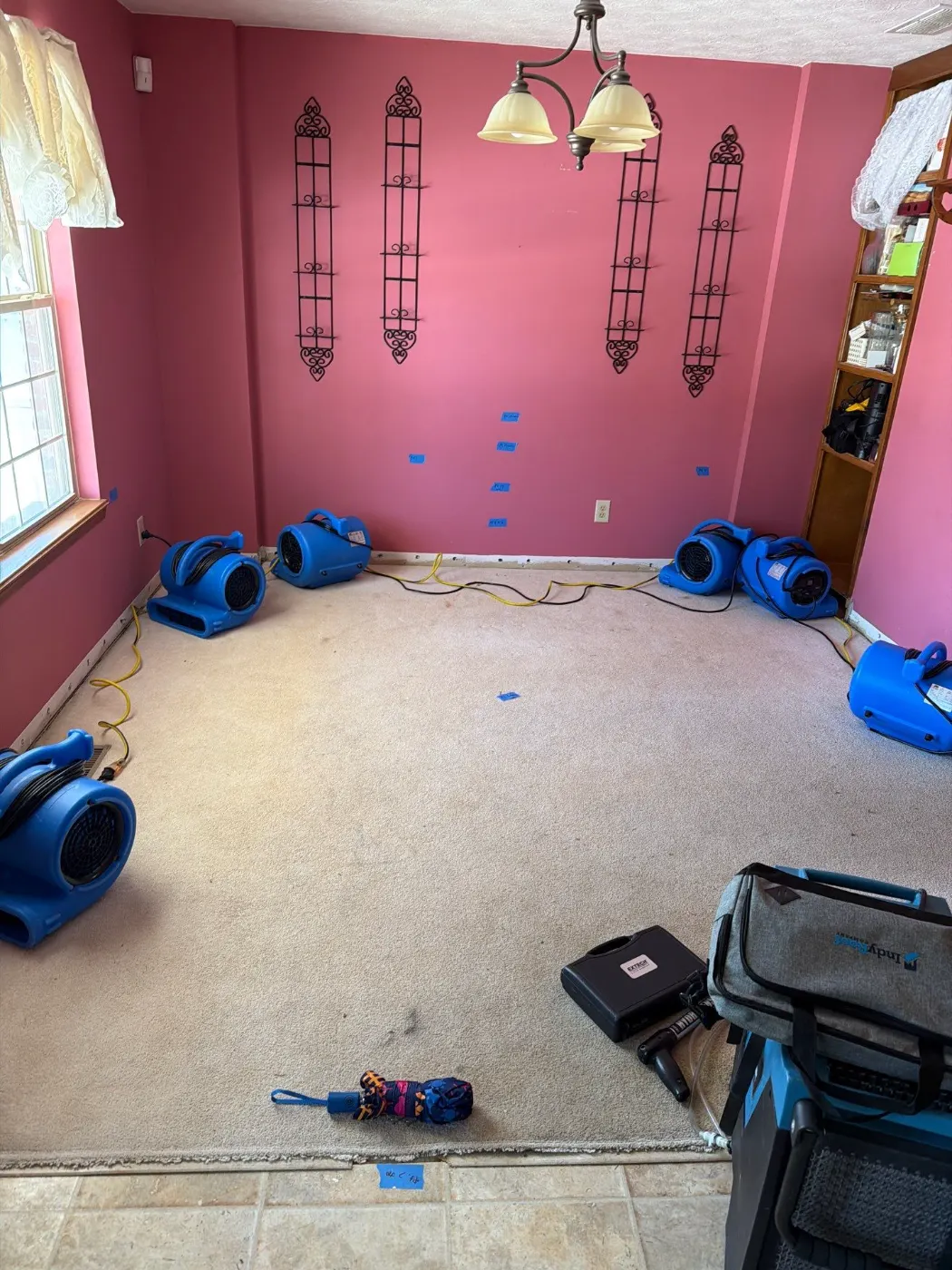
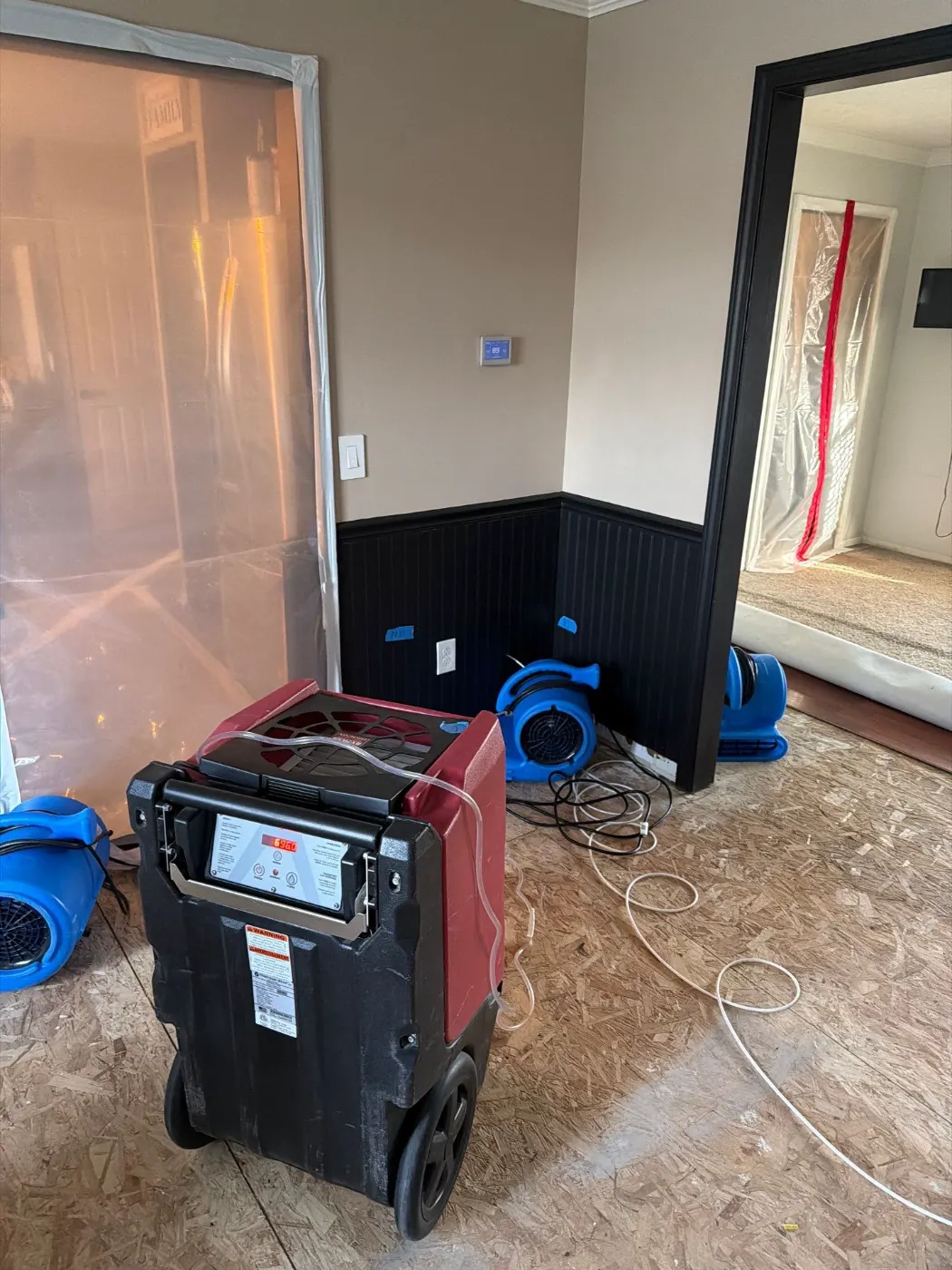
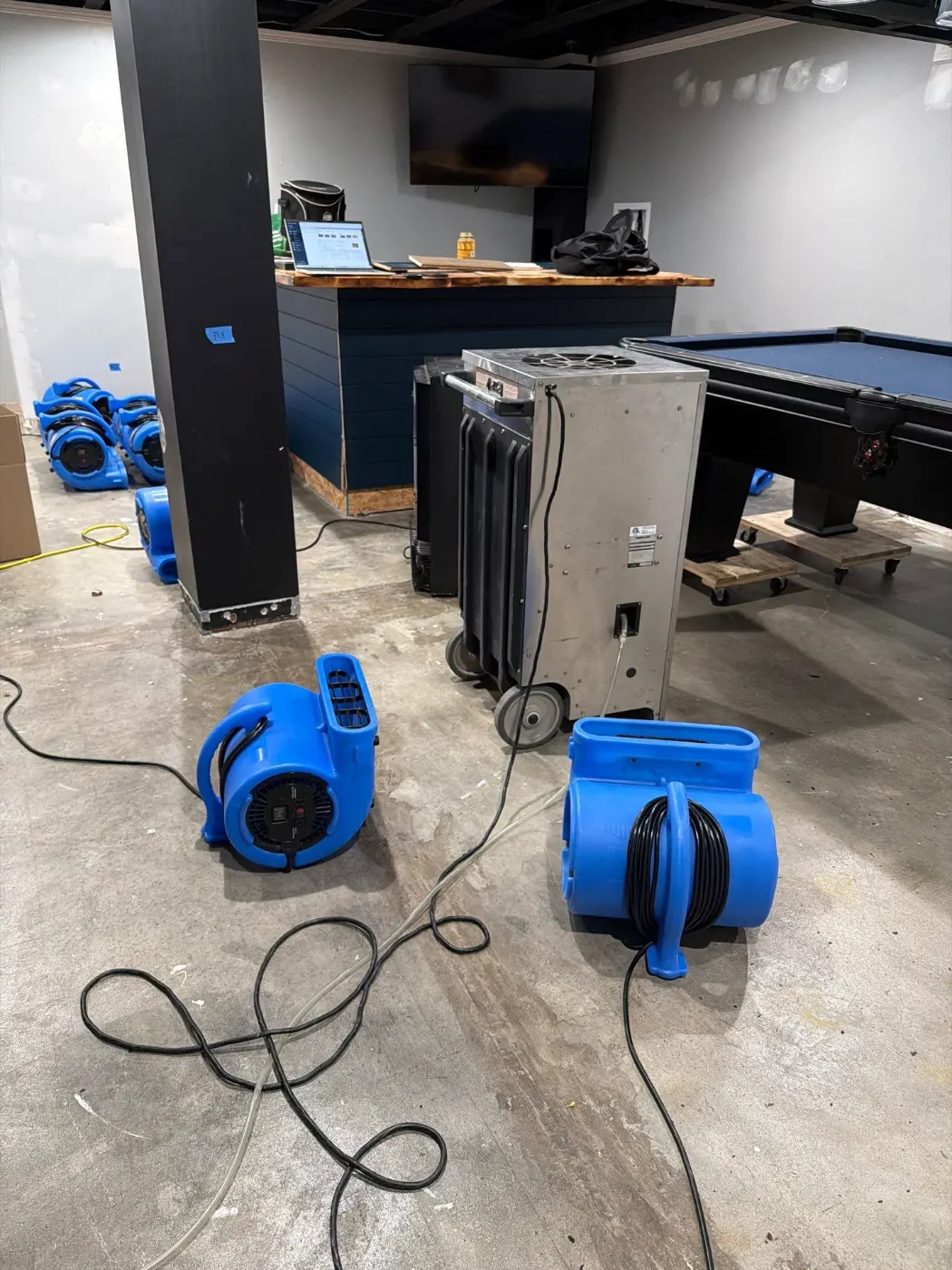
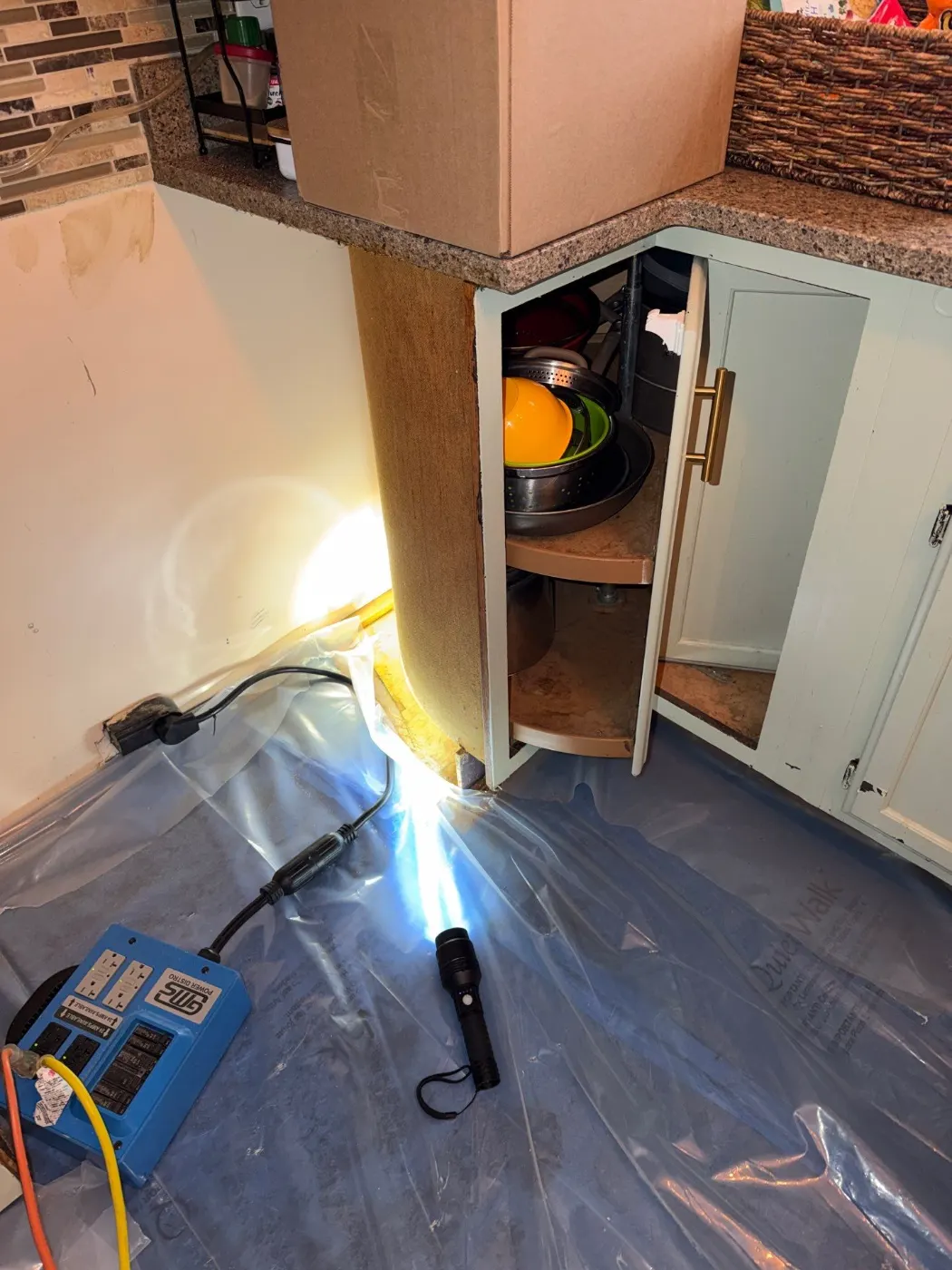
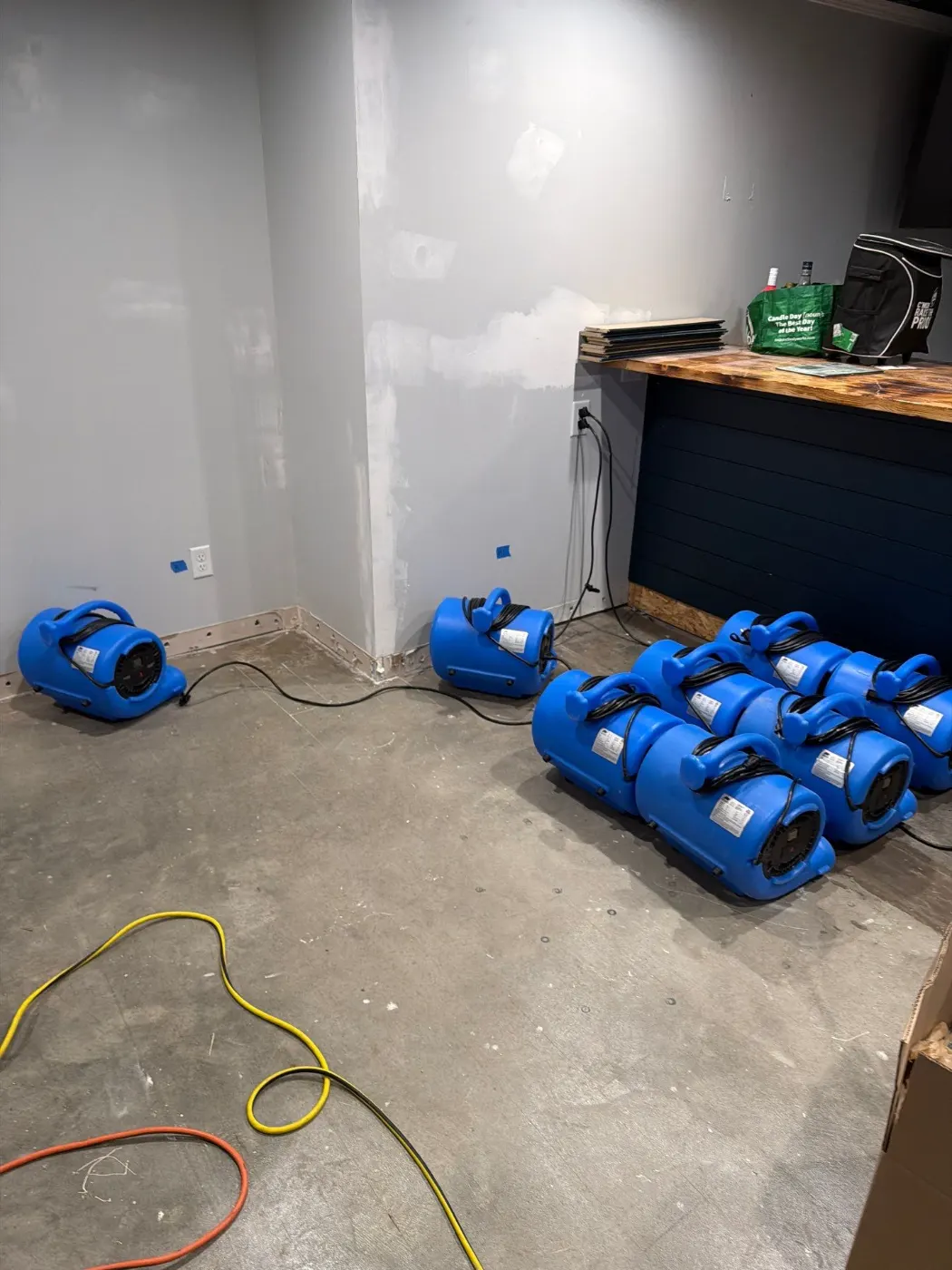
Photographs from real commercial storm damage jobs completed by our crew in Stonewater and surrounding areas.
Commercial Storm Damage FAQ
Questions Stonewater property managers ask us about commercial storm damage restoration.
Guidance and Standards for Commercial Storm Damage
- The National Weather Service office in Indianapolis posts summaries of recent central Indiana storm and flood events. NWS Indianapolis Event Summaries
- The ANSI/IICRC S500 is the published standard for professional water damage restoration. The current edition is the Fifth Edition, 2021. IICRC S500 Standard
Other Restoration Services in Stonewater
Stonewater Water Restoration handles the full scope of restoration work. Explore our other services below.
Water Damage Restoration in Stonewater
24/7 emergency response. IICRC certified water restoration from extraction to full dry out.
Learn more →Basement Flooding in Stonewater
Basement water emergencies handled fast. Extraction, drying, mold prevention.
Learn more →Sewage Cleanup in Stonewater
Category 3 biohazard cleanup. Full containment, decontamination, structural restoration.
Learn more →Request Commercial Storm Damage Restoration
Reach Us Directly
Our team is available 24/7 for emergencies and ready to schedule inspections during business hours.
Need Immediate Help?
For active water or mold emergencies, call us directly. We are available 24/7.