Storm Damage in Stonewater, IN
Storm intrusion in Stonewater gets a crew dispatched within 2 hours and the documentation your adjuster asks for
Storm Damage in Stonewater, IN starts with one call to Stonewater Water Restoration: live 24/7 dispatch, IICRC certified response, and honest written scopes before work begins. Call (317) 342-7736.
- Service: Storm Damage for Stonewater homeowners
- Service area: Stonewater, IN and surrounding areas
- Response time: 24/7 answering with priority emergency dispatch across Stonewater
- Licensed and insured (License #RC21100059)
- Serving Stonewater, IN since 2018
Expert Storm Damage for Stonewater Homeowners
Storm water caught early leaves a lot of drywall and subfloor that can dry where it stands, and the meters are what tell a crew which surfaces stay. Stonewater Water Restoration sorts the salvageable from the rest on storm calls in Stonewater and shows you the readings behind each decision before anything comes out of your house.
Many wet ceilings can stay up if they're dried in time. Stonewater Water Restoration drills small ports into the cavity and pushes dry air through, which saves the drywall, the texture and the paint. When the board is saturated or sagging, it comes down on a clean cut line. The crew shows you the readings in your Stonewater home before deciding which way to go.
Coordination is part of the work on storm losses. Stonewater Water Restoration keeps the temporary cover in place and inspected while the roofing repair gets scheduled, and the drying plan accounts for whatever weather falls in between. If a rain event gets past the tarp, the crew documents it, rereads the affected materials, and adjusts the equipment, so the log records what happened to the house while it was happening.
Start a list of damaged belongings while the rooms are still wet. Photograph each item where it sits, then write down what the item is and roughly when you bought it. Stonewater Water Restoration photographs contents that shift during the job in your Stonewater home, and the photo set you keep gives you a second record to build the list from.
The gap between a ceiling that can be dried and a ceiling that has to come down is measured in days. Stonewater Water Restoration answers storm water calls in Stonewater and Hamilton County with a 2 hour dispatch window, around the clock, and we'll show you the readings that say which side of that line your house is on.
Signs You Need Storm Damage Restoration
If you notice any of these in your Stonewater home, schedule a free inspection before the issue worsens.
Ceiling texture cracked in a straight line that follows a joist or a roof truss
Puddles along an exterior wall or standing water in a basement window well after heavy rain
Standing water around the sump pit after the power came back on
Attic insulation that looks matted, flattened or darker in patches
Shingle granules piled in the gutters or washed out at the bottom of a downspout
A sump pump that cycles every few minutes or runs continuously during a storm
Recessed ceiling lights with water droplets around the trim after heavy rain
A soft or discolored patch of drywall around a skylight, a chimney chase, or a bath vent
Standing water in the track of a sliding patio door after a storm
Damp, earthy air when you open the attic hatch or pull the attic ladder down
How Stonewater Water Restoration Handles Storm Damage
We follow these steps in order on every Stonewater job.
Power and Safety Check
The crew looks for water near outlets and light fixtures and keeps affected circuits off. Sagging ceilings and slick floors get marked before anyone starts work, and wet electrical gear gets flagged for an electrician.
Water Source Call
The crew checks where the water came in and what it touched on the way, and photographs the entry point. Floodwater that came in at grade gets containment and protective gear before any work starts.
Sump and Drain Check
The crew looks at the sump basin and the floor drains to see whether water is still entering or backing up. Anything that needs a plumber or an electrician gets noted, so the basement isn't refilling while the drying runs.
Contaminated Material Removal
Porous materials soaked by floodwater, such as carpet and the lower drywall, get cut out and bagged for disposal. Cut heights are photographed and recorded, so the scope and your file show what came out and why.
Photo Report
Entry point photos, the water path, the daily readings and the itemized scope go into a photo report you keep. The crew walks you through it, and you sign off on the scope in writing before there's any demolition.
Storm Damage in Stonewater
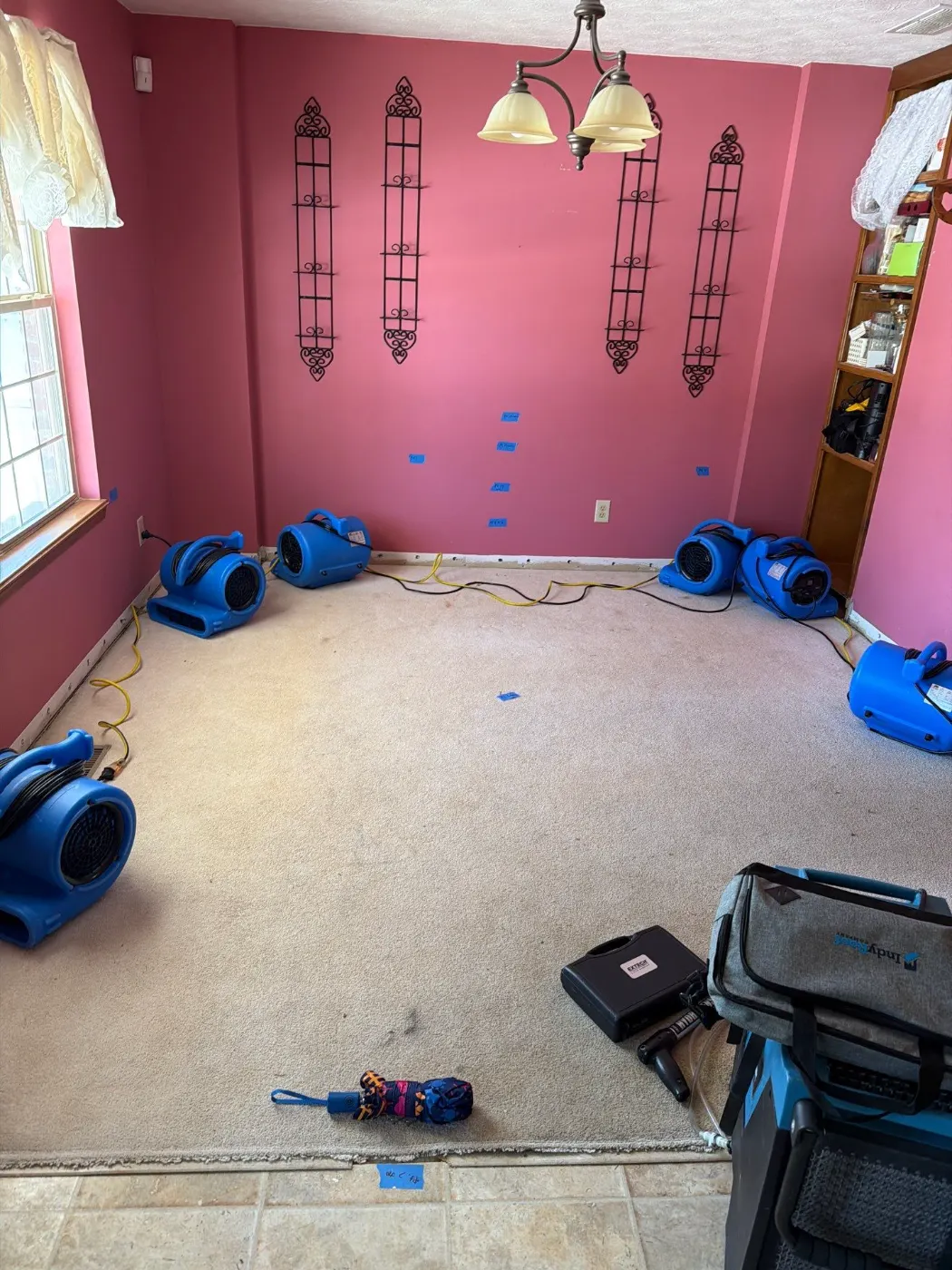
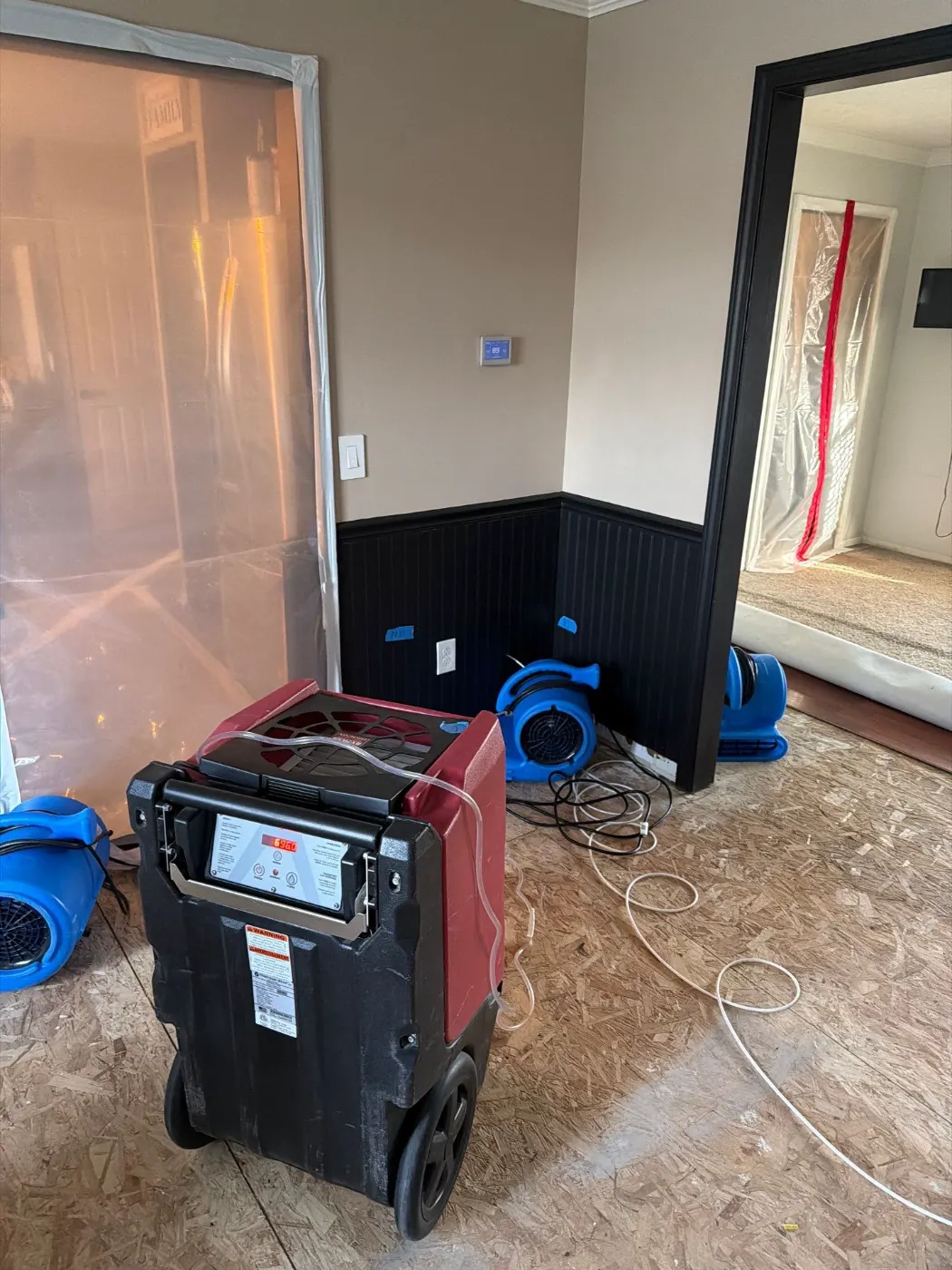
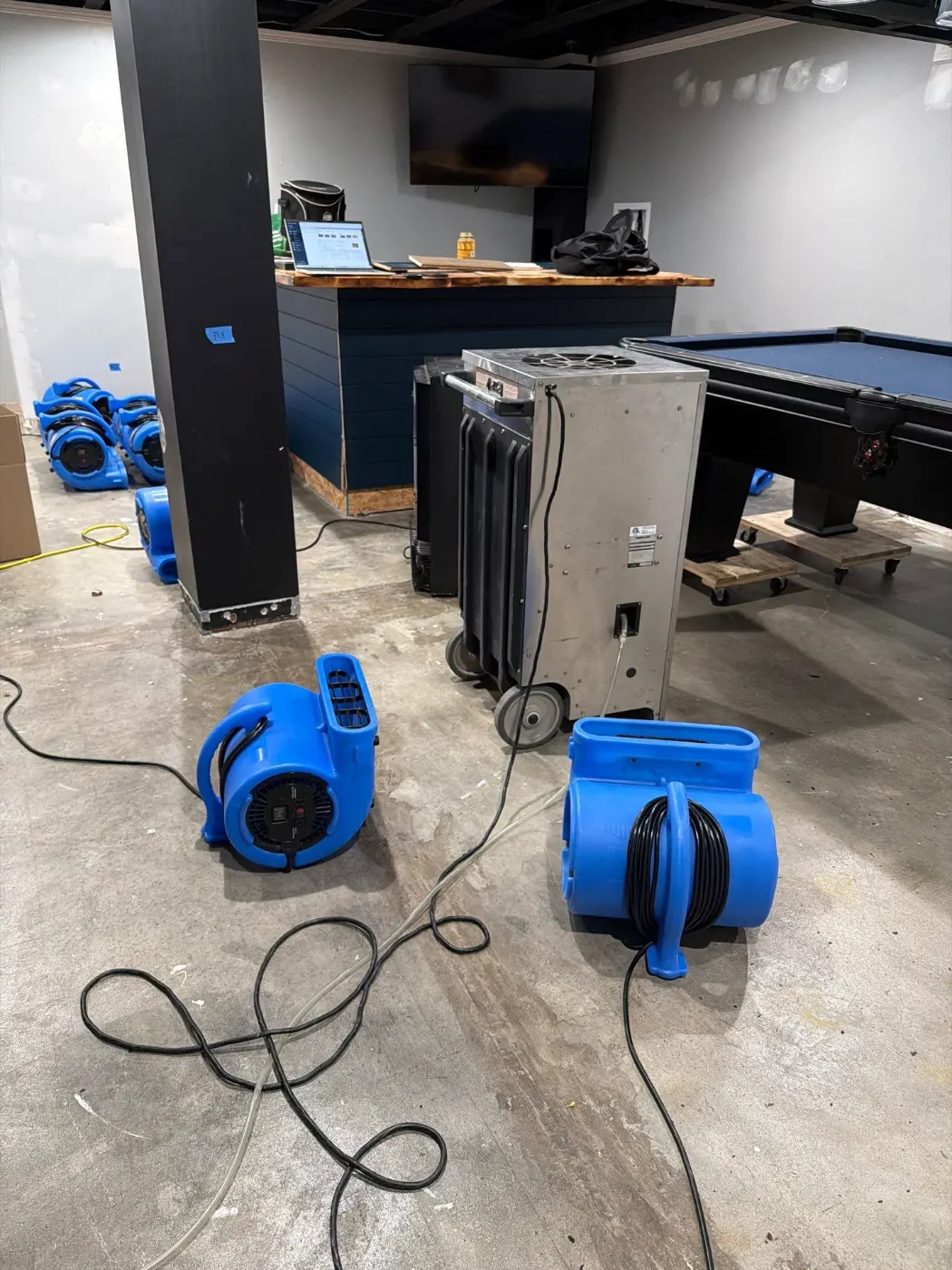
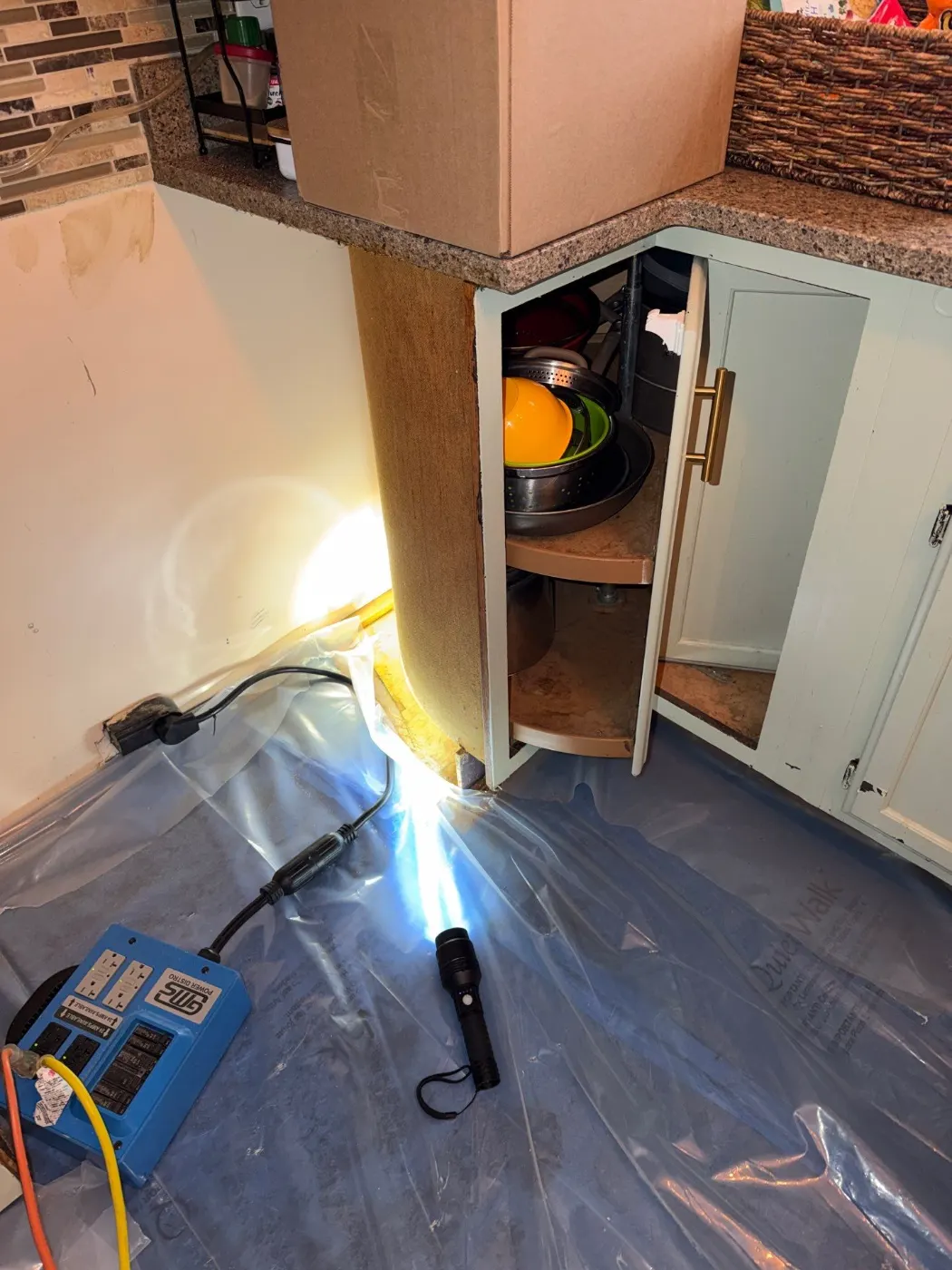
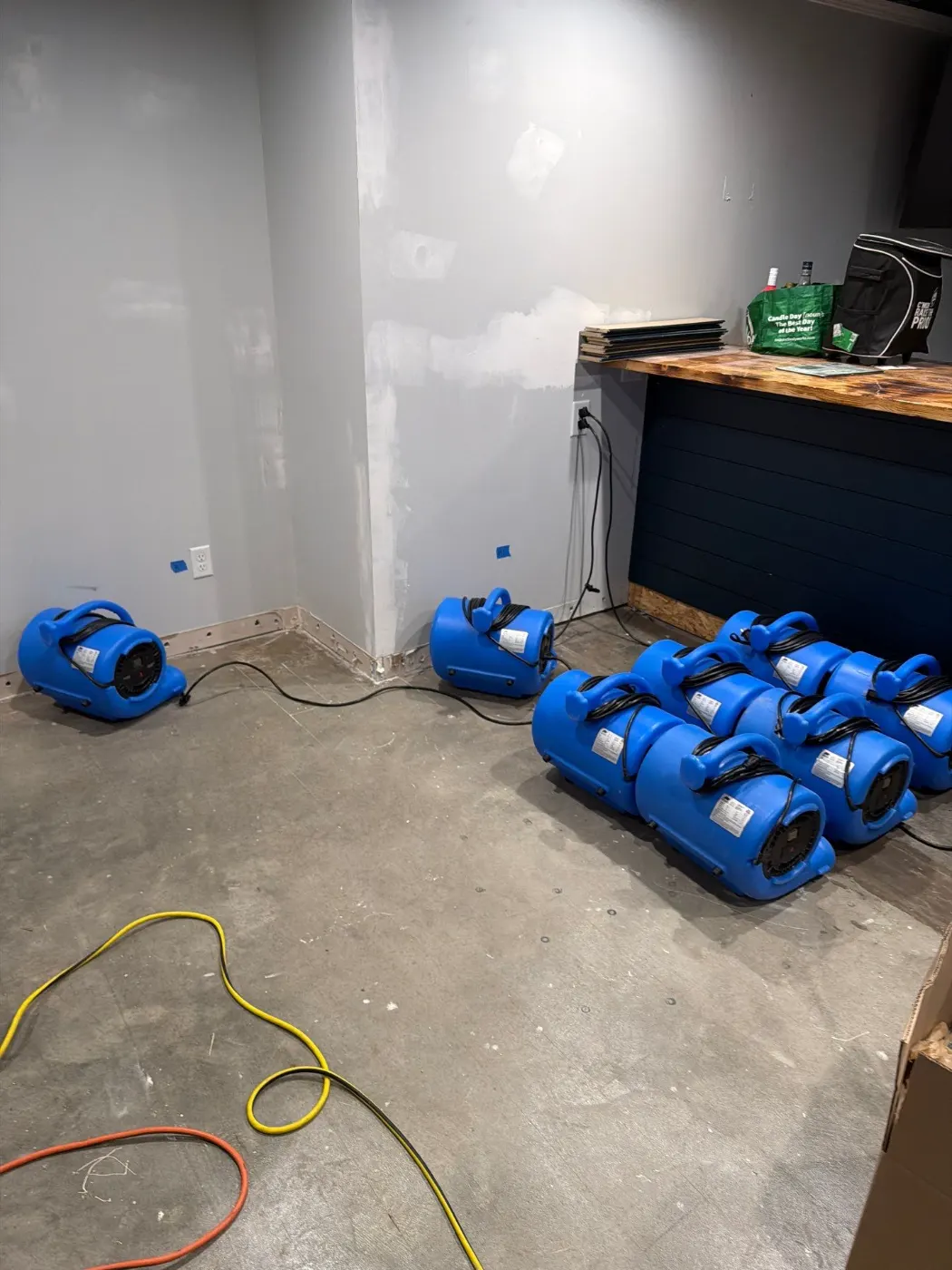
Photographs from real storm damage jobs completed by our crew in Stonewater and surrounding areas.
Storm Damage FAQ
Questions Stonewater homeowners ask us about storm damage restoration.
Guidance and Standards for Storm Damage
- The National Weather Service office in Indianapolis posts summaries of recent central Indiana storm and flood events. NWS Indianapolis Event Summaries
- The Indiana Department of Insurance advises against permanent repairs before your insurance company inspects the damage. Check your own policy for what it covers. Indiana Department of Insurance: Insurance Claim Tips
Other Restoration Services in Stonewater
Stonewater Water Restoration handles the full scope of restoration work. Explore our other services below.
Water Damage Restoration in Stonewater
24/7 emergency response. IICRC certified water restoration from extraction to full dry out.
Learn more →Basement Flooding in Stonewater
Basement water emergencies handled fast. Extraction, drying, mold prevention.
Learn more →Sewage Cleanup in Stonewater
Category 3 biohazard cleanup. Full containment, decontamination, structural restoration.
Learn more →Request Storm Damage Restoration
Reach Us Directly
Our team is available 24/7 for emergencies and ready to schedule inspections during business hours.
Need Immediate Help?
For active water or mold emergencies, call us directly. We are available 24/7.